

When Cinema Asked for Trust
Chaplin, silent film, and the participation of the viewer

In a particularly critical moment on the world stage, while Europe was being torn apart by the First World War, a figure emerged who could embody every human emotion and convey it masterfully, without the need for words.
That presence was able to do something rare:
to make the human visible, without simplifying it and without judging it.
Watching him meant crossing, in just a few moments, an entire emotional range.
Tenderness, fear, irony, shame, compassion:
everything passed through the body, even before thought could take shape.
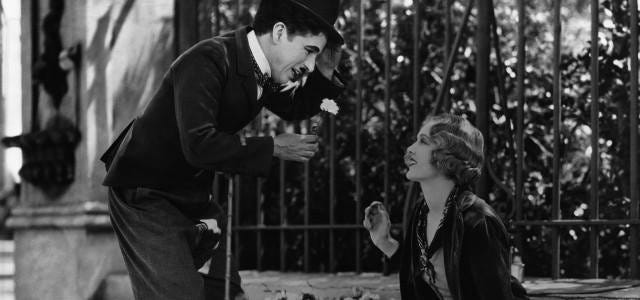
In a time marked by uncertainty, fear, and the fracture of collective certainties, that gaze did not promise salvation or heroism.
It offered recognition.
There was no need for explanations.
The gesture arrived directly; time stretched or broke apart,
the gaze asked for a silent response.
Those who watched never remained neutral:
they were involved, called upon to recognize themselves.
That figure never imposes itself.
He enters the scene on tiptoe, stumbles, gets back up, observes.
It is through this fragility that gesture becomes language and the body becomes narrative.
In his cinema there is no emphasis, no declaration.
There is a meticulous attention to time, rhythm, and pause.
Every movement is calibrated to leave space for the viewer, not to guide them.
Here is where the silent reveals its strength:
not as a lack of words,
but as trust in the gaze of the viewer.
Perhaps this is what we miss today from what once fascinated us so deeply.
Not silence, but trust.
The possibility of not being guided step by step, of remaining inside an image without instructions.
That cinema asked the viewer to participate, not merely to follow.
And in return it offered something rare:
an experience that continued even after the screen went dark.
What made that figure so powerful was not only what he showed,
but what happened between the screen and the viewer.
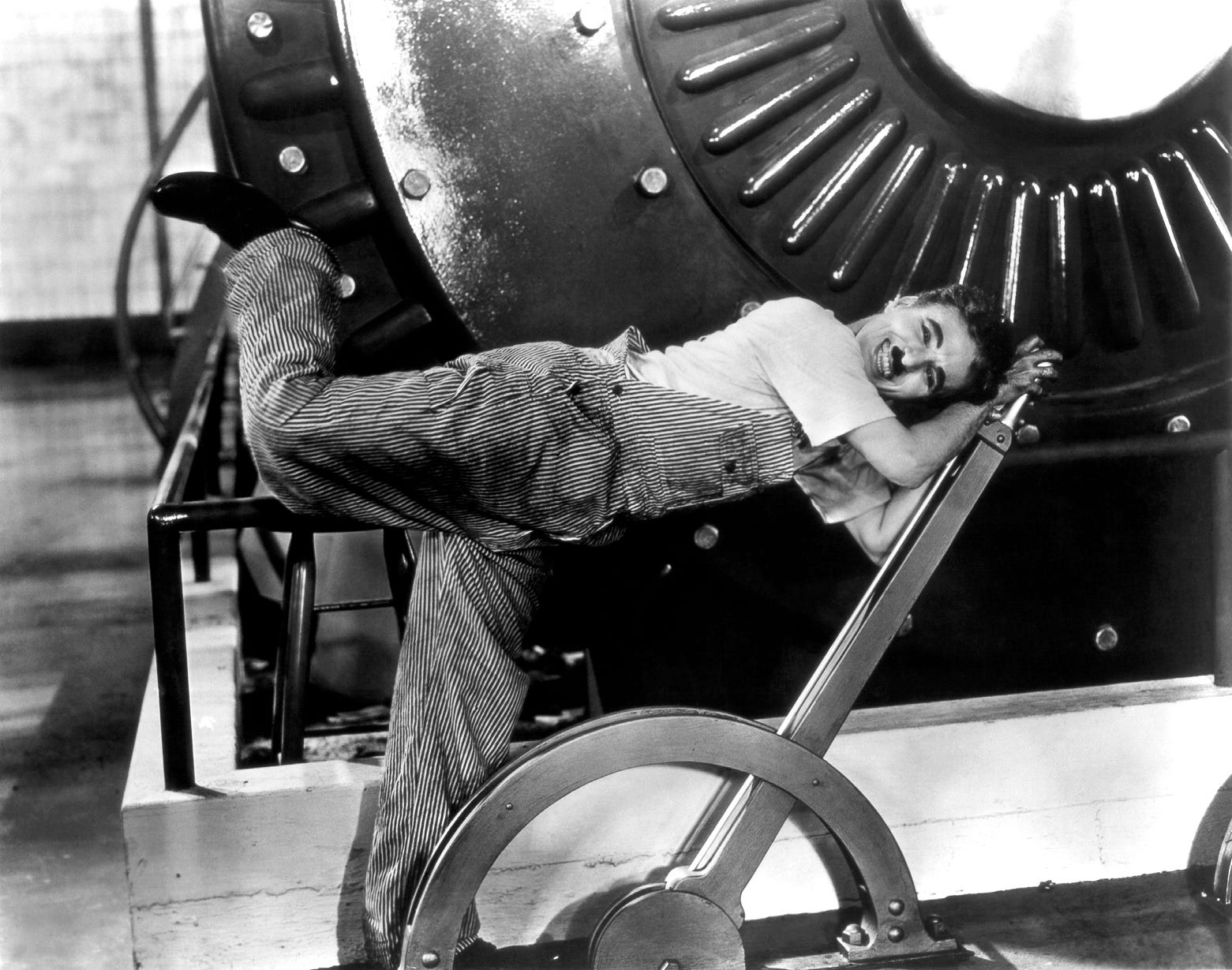
He was not an actor as we tend to imagine one today:
separate, distant, untouchable.
He was something more complete, because he was built through relationship.
That character truly existed only when he was welcomed, recognized,
completed by the gaze of those watching.
The audience was not passive: it responded, participated, took part in the gesture.
And perhaps this is where affection is born.
Not from admiration, but from involvement.
From that deep sensation of being called into the frame, of mattering.
That figure did not ask for consent.
He asked for presence.
And the audience, by watching him, became part of the story,
completing it, each in their own way, with their emotions.
The Chronicler
K.D.